Why Energy Efficiency Matters More Than Ever
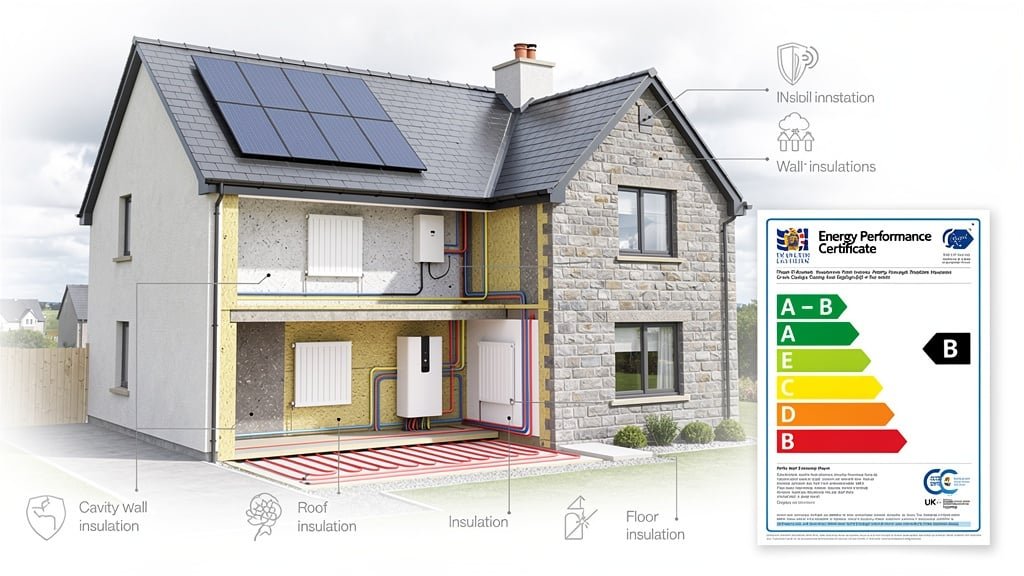
Energy efficiency has transformed from a nice-to-have feature to an essential property characteristic. Rising energy costs mean inefficient properties are increasingly expensive to run. Simultaneously, regulatory pressure is mounting – minimum energy efficiency standards already apply to rental properties and may soon extend to all homes. Properties with poor Energy Performance Certificate (EPC) ratings face value discounts and sales difficulties as buyers factor in both running costs and potential upgrade expenses.
As professional surveyors, we regularly assess properties' energy performance and advise clients on improvements. This guide distills our experience into practical recommendations, explaining which improvements offer the best returns, how to prioritize upgrades, and how to access available funding.
Understanding Your Energy Performance Certificate (EPC)
Before considering improvements, understand your property's current performance. EPCs rate properties from A (most efficient) to G (least efficient), based on energy costs for heating, lighting, and hot water. The certificate includes:
- Current rating: Your property's existing efficiency grade
- Potential rating: What could be achieved with recommended improvements
- Environmental impact: CO2 emissions and environmental impact rating
- Recommendations: Suggested improvements ranked by cost-effectiveness
- Estimated costs and savings: Approximate costs for improvements and annual bill savings
EPCs are valid for 10 years but can become outdated if you've made improvements since issuance. Consider obtaining a new EPC after significant upgrades to reflect improved efficiency for sale or rental.
Most Cost-Effective Energy Efficiency Improvements
Not all energy improvements offer equal returns. These improvements typically provide the best value:
1. Loft Insulation
The single most cost-effective improvement for most properties. Heat rises, so inadequate loft insulation means significant heat loss. Current building standards recommend 270mm insulation depth.
- Cost: £300-£600 for typical property (DIY cheaper, professional installation costs more)
- Savings: £200-£350 annually depending on property size and heating system
- Payback period: 2-3 years
- EPC impact: Can improve rating by 1-2 bands
- DIY suitability: Relatively straightforward DIY project if loft is easily accessible
Surveyor tip: Ensure adequate ventilation when adding insulation – blocking eaves ventilation causes condensation and timber decay. Consider raising loft boards if increasing insulation depth to maintain storage space.
2. Cavity Wall Insulation
Properties built between 1920s and 1990s typically have cavity walls that may be uninsulated. Cavity wall insulation (CWI) involves injecting insulation material into the cavity between inner and outer walls.
- Cost: £500-£1,500 depending on property size and wall area
- Savings: £150-£300 annually
- Payback period: 3-5 years
- EPC impact: 1-2 band improvement typical
- Grants available: Various schemes available for eligible households
Surveyor warning: Not all properties are suitable for CWI. Properties in exposed locations prone to wind-driven rain, those with existing damp issues, or certain construction types may experience problems. Professional assessment essential before installation.
3. Modern Boiler and Heating Controls
Boilers over 15 years old are significantly less efficient than modern condensing boilers. Upgrading heating systems offers substantial savings:
- Cost: £2,000-£4,000 for boiler replacement and modern controls
- Savings: £300-£500 annually from modern condensing boiler
- Payback period: 5-8 years
- EPC impact: 1-2 bands depending on previous system age
- Additional benefits: Improved reliability, reduced breakdown risks, smart controls for optimized comfort
Modern heating controls include:
- Programmable room thermostats allowing scheduled temperature control
- Thermostatic radiator valves (TRVs) enabling individual room temperature management
- Smart thermostats with remote control via smartphone apps
- Weather compensation controls adjusting heating based on outside temperature
4. Double Glazing
For properties still with single glazing, double glazing provides significant efficiency gains. Modern double glazing with low-emissivity coatings offers excellent thermal performance:
- Cost: £4,000-£8,000 for typical house (highly variable by property size and window style)
- Savings: £100-£200 annually (higher if replacing very old single glazing)
- Payback period: 20-40 years (long payback but comfort and noise reduction benefits)
- EPC impact: 1 band improvement typically
- Additional benefits: Noise reduction, improved security, reduced condensation, lower maintenance
Period property considerations: Listed buildings or properties in conservation areas may require planning permission for double glazing. Secondary glazing (additional panes fitted internally) offers alternative solution with less planning restrictions.
5. Draught Proofing
One of the cheapest and most effective improvements. Draughts around doors, windows, loft hatches, and pipework can account for significant heat loss:
- Cost: £200-£400 for professional installation, £50-£150 for DIY materials
- Savings: £25-£50 annually
- Payback period: 1-2 years
- EPC impact: Minor but contributes to overall rating
- DIY suitability: Excellent DIY project with immediate comfort benefits
More Advanced Energy Efficiency Measures
For properties pursuing higher efficiency standards or those already completing basic improvements:
Solid Wall Insulation
Properties with solid walls (typically pre-1920s construction) lose significant heat through uninsulated walls. Solid wall insulation applies insulation either externally or internally:
- External wall insulation: Insulation board fixed to external walls, covered with protective render. Costs £8,000-£15,000 for typical house. Doesn't reduce internal floor area but changes external appearance
- Internal wall insulation: Insulation and plasterboard fixed to internal walls. Costs £4,000-£10,000. Reduces room sizes slightly but maintains external appearance
- Savings: £300-£600 annually depending on property size
- Grants: Significant grants available for eligible households through various schemes
Surveyor considerations: Both approaches have implications. External insulation changes property appearance (planning permission may be required). Internal insulation reduces floor area and requires relocation of electrical fittings, radiators, and pipes.
Air Source Heat Pumps
Heat pumps extract warmth from outside air and transfer it indoors. While capital intensive, they offer very low running costs and zero direct carbon emissions:
- Cost: £7,000-£13,000 after grants (full cost £10,000-£18,000)
- Running costs: Often lower than gas boilers depending on electricity tariff and system efficiency
- Grants: Substantial government grants available through schemes like Home Energy Scotland
- Suitability: Best in well-insulated properties; may require radiator upgrades or underfloor heating for optimal performance
- EPC impact: Significant improvement potential (2-3 bands possible)
Solar Panels (Photovoltaic)
Solar PV panels generate electricity from sunlight, reducing grid electricity consumption:
- Cost: £5,000-£8,000 for typical 4kW system
- Savings: £300-£500 annually depending on system size, roof orientation, and electricity usage patterns
- Payback period: 10-15 years
- Additional benefits: Export payments for surplus electricity, increased property value, reduced carbon footprint
- Battery storage: Adding batteries (£3,000-£6,000) enables storing excess generation for evening use, improving system economics
Solar Thermal Hot Water
Solar thermal panels heat water using sunlight, reducing hot water heating costs:
- Cost: £4,000-£6,000 installed
- Savings: £50-£100 annually (lower than PV solar as only affects hot water costs)
- Suitability: Best in households with high hot water usage
- Integration: Requires hot water cylinder with solar coil; not suitable for combi boiler systems without modification
Property-Specific Considerations
Period and Listed Properties
Historic properties require sensitive approaches to energy efficiency:
- Breathable construction: Traditional buildings rely on breathable materials; modern insulation can trap moisture causing damage
- Planning restrictions: Listed buildings require listed building consent for most alterations
- Specialist advice: Consult conservation-accredited professionals familiar with traditional construction
- Sympathetic improvements: Focus on secondary glazing, draught proofing, and appropriate insulation methods that don't compromise building fabric
Apartments and Flats
Flat owners face unique challenges:
- Common property issues: Improvements to building fabric (roofs, external walls) require factor and co-owner agreement
- Shared systems: Communal heating systems limit individual control
- Achievable improvements: Focus on measures within your control – windows, internal insulation, heating controls, appliances
Funding and Grants
Various funding sources help finance energy efficiency improvements:
Home Energy Scotland
Scottish Government's national advice service offering:
- Free, impartial advice on energy efficiency improvements
- Grants and loans for eligible households
- Support accessing other funding schemes
- Free home visits to assess improvement opportunities
Energy Company Obligation (ECO) Scheme
Energy suppliers must help households improve energy efficiency:
- Grants for insulation, boilers, and heating systems
- Eligibility based on benefits receipt or property characteristics
- Can fund significant improvements at no cost to eligible households
Local Authority Schemes
Many councils offer additional energy efficiency support:
- Interest-free loans for improvements
- Area-based schemes for whole streets or neighborhoods
- Top-up funding for measures not fully covered by other schemes
Return on Investment and Property Value
Energy efficiency improvements offer multiple returns:
- Lower bills: Immediate reduction in energy costs
- Increased comfort: Warmer, more comfortable homes with fewer draughts
- Property value: Energy-efficient properties command premium values and sell faster
- Future-proofing: Meeting likely future regulations avoids later forced upgrades
- Environmental benefits: Reduced carbon footprint supporting climate goals
Prioritizing Improvements – The Surveyor's Approach
When planning energy efficiency improvements, we recommend this prioritization:
- 1. Stop heat escaping: Start with loft and cavity wall insulation – retain heat before improving heat generation
- 2. Improve heating efficiency: Modern boilers and controls make remaining heat demand cheaper to provide
- 3. Reduce draughts: Quick, cheap improvements with immediate comfort benefits
- 4. Windows and doors: If budget permits, replace poor-performing single glazing
- 5. Generate renewable energy: Once basic efficiency is good, consider renewable generation
- 6. Advanced measures: Solid wall insulation and heat pumps for those pursuing highest efficiency
Common Mistakes to Avoid
- Inadequate ventilation: Insulation without proper ventilation causes condensation and mold
- Unsuitable improvements: Not all measures suit all properties – professional assessment prevents costly mistakes
- Poor installation: Badly installed improvements underperform and may cause problems. Use certified installers with appropriate guarantees
- Ignoring maintenance: Energy systems require maintenance – neglected boilers, blocked filters, and dirty panels perform poorly
- Unrealistic expectations: Improvement costs and savings vary; don't rely on best-case scenarios
Final Thoughts
Improving energy efficiency is increasingly essential for Scottish homeowners. With rising energy costs and tightening regulations, inefficient properties face value penalties and sales difficulties. However, the right improvements, properly prioritized and professionally installed, offer multiple benefits including lower bills, increased comfort, and enhanced property values.
Start with cost-effective basics like loft insulation and draught proofing, then progress to more significant improvements as budget allows. Access available grants and funding to reduce costs. Most importantly, seek professional advice before committing to major work – our experience shows that well-planned, appropriately specified improvements deliver far better results than rushed or inappropriate installations.