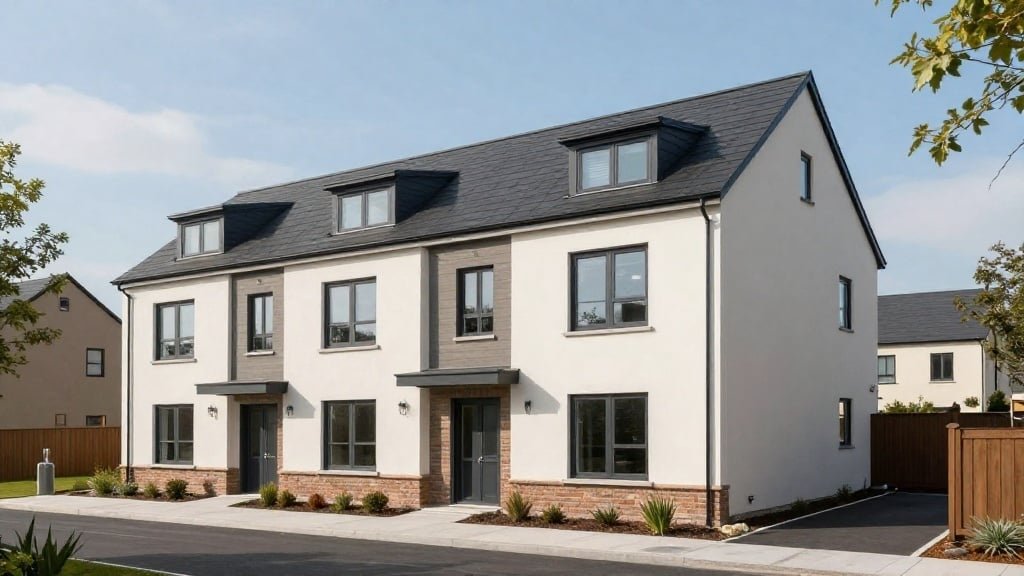
As Glasgow surveyors inspecting properties across Scotland, we hear this question regularly: "Should I buy new build or an older property?" Each has distinct advantages and challenges. This guide from our chartered building surveyors helps you understand both options.
New Build Properties: The Advantages
1. Everything is Brand New
The obvious benefit - everything from the roof to the boiler is brand new with manufacturer warranties. No immediate maintenance concerns, no aging systems needing replacement soon.
2. Energy Efficiency
Modern building regulations require excellent insulation, efficient heating systems, and low-energy lighting. New builds typically achieve EPC ratings of A or B, meaning lower energy bills than older properties.
3. NHBC Warranty Protection
Most new builds come with 10-year NHBC (National House Building Council) warranties covering structural defects. This provides reassurance against major problems.
4. Modern Design and Layout
Open-plan layouts, ensuite bathrooms, integrated appliances - new builds reflect modern living preferences. No awkward room layouts or outdated features to work around.
5. Lower Maintenance Costs Initially
With everything new, maintenance requirements are minimal for the first few years. No immediate need for repairs or replacements.
New Build Properties: The Disadvantages
1. Higher Purchase Price
New builds typically cost 20-30% more than equivalent older properties in the same area. You're paying a premium for "new."
2. Snagging Issues
Our building surveyors find snags in virtually every new build we inspect - poor finishing, misaligned doors, plumbing issues, incomplete work. These should be fixed pre-completion but often aren't.
3. Less Character
New builds lack the period features, high ceilings, and architectural details that make older properties distinctive. Rooms can feel generic and soulless.
4. Smaller Room Sizes
Modern building economics mean developers maximize units on land. New build rooms are often significantly smaller than in older properties.
5. Estate Development Issues
Buying on developing estates means living with ongoing construction, lorries, noise, and incomplete facilities (roads, landscaping) for months or years.
6. Unknown Long-term Performance
Modern construction methods haven't been tested over decades like traditional building. How will they perform in 50-100 years? Unknown.
Older Properties: The Advantages
1. Character and Period Features
Victorian or Georgian properties offer cornicing, fireplaces, high ceilings, bay windows - features impossible to replicate in new builds. These add character and often value.
2. Better Value Per Square Foot
Older properties typically offer more space for your money. Room sizes are generally more generous than modern equivalents.
3. Established Locations
Older properties are in established neighborhoods with mature trees, developed infrastructure, and settled communities. No construction sites or incomplete facilities.
4. Proven Durability
Properties that have lasted 100+ years have proven their construction quality. You know they work because they've been working for generations.
5. Potential for Value Growth
Well-maintained period properties in desirable areas often appreciate more than new builds, especially in sought-after Glasgow neighborhoods.
Older Properties: The Disadvantages
1. Higher Running Costs
Solid walls, single glazing, aging heating systems mean higher energy bills. Older properties can cost 50%+ more to heat than modern equivalents.
2. Ongoing Maintenance
Older properties need constant maintenance - repointing, roof repairs, window maintenance, heating upgrades. Budget £1,000-£3,000 annually for upkeep.
3. Potential Hidden Problems
Damp, structural movement, outdated wiring, aging plumbing - older properties can hide expensive issues. Professional surveys from RICS registered valuers are essential.
4. Less Energy Efficient
Even with upgrades, older properties struggle to match modern energy efficiency. Lower EPC ratings mean higher environmental impact and running costs.
5. May Need Modernization
Kitchens, bathrooms, heating systems may need upgrading soon after purchase. Factor these costs into your budget.
Survey Requirements: New vs Old
New Build Surveys
Many buyers skip surveys for new builds, assuming they're problem-free. This is risky. Our surveyors in Glasgow recommend snagging surveys for new builds, identifying:
- Poor finishes and workmanship
- Incomplete work
- Non-compliant installations
- Damage during construction
- Issues before you exchange contracts
Snagging surveys cost £300-£600 and ensure problems are fixed before completion.
Older Property Surveys
For older properties, comprehensive building surveys are strongly recommended. Our chartered building surveyors examine:
- Structural condition
- Damp and moisture
- Roof and drainage
- Services (heating, electrics)
- Potential problems
- Repair priorities and costs
Building surveys cost £600-£1,200 but can save thousands by identifying problems before purchase.
Cost Comparisons Over Time
Purchase Price: New builds cost more initially but older properties may need immediate work reducing the price gap.
First 5 Years: New builds have minimal maintenance costs. Older properties need ongoing maintenance but this is predictable.
Years 5-15: New builds start needing maintenance (boiler services, decoration). Older properties continue needing regular upkeep but shouldn't need major work if well-maintained.
Energy Costs: New builds are significantly cheaper to heat. Over 10 years, this can save £5,000-£10,000+ compared to older properties.
Which Property Type Suits Different Buyers?
New Builds Suit:
- First-time buyers wanting minimal hassle
- Those prioritizing energy efficiency and low running costs
- Buyers with limited DIY skills or maintenance knowledge
- People wanting modern layouts and contemporary design
- Those concerned about ongoing maintenance responsibilities
Older Properties Suit:
- Buyers valuing character and period features
- Those wanting larger rooms and more space
- People comfortable with ongoing maintenance
- Buyers prioritizing established locations
- Those seeing property as long-term investment appreciating character
The Middle Ground: Recently Renovated Properties
Consider properties built 10-30 years ago that have been recently renovated. These can offer:
- Modern systems and fittings
- Proven construction quality
- Better room sizes than new builds
- Established locations
- Character development over time
Our property consultants often recommend this middle path for buyers wanting modern comfort with proven construction quality.
Questions to Ask Yourself
Before deciding between new and old:
- Budget: Can you afford the new build premium? Or factor in maintenance for older properties?
- Lifestyle: Want minimal maintenance or comfortable with ongoing upkeep?
- Space Needs: Is room size important or are compact modern layouts acceptable?
- Character: Do period features matter or do you prefer contemporary design?
- Running Costs: Are lower energy bills priority or are you comfortable with higher heating costs?
- Location: Want established neighborhood or happy with developing area?
Our Professional Advice
As RICS qualified surveyors serving buyers across Scotland, we see successful purchases of both new and old properties. The key is buying appropriate property for your circumstances with eyes open.
For new builds: Get proper snagging survey. Don't assume everything is perfect. Use NHBC warranty if problems emerge.
For older properties: Commission comprehensive building survey. Budget realistically for maintenance. Embrace character and understand what ownership entails.
Neither option is "better" - they're different, suiting different buyers, priorities, and circumstances.
Final Thoughts
The new build vs old property decision depends entirely on your priorities, budget, and lifestyle preferences. Both can make wonderful homes when purchased thoughtfully.
Whatever you choose, use qualified property consultants to assess condition professionally. Our chartered building surveyors provide objective advice helping you buy confidently.
Need Professional Survey Advice?
Our team of RICS registered surveyors provides expert assessment for both new builds and older properties across Glasgow and Scotland. We help you understand exactly what you're buying.