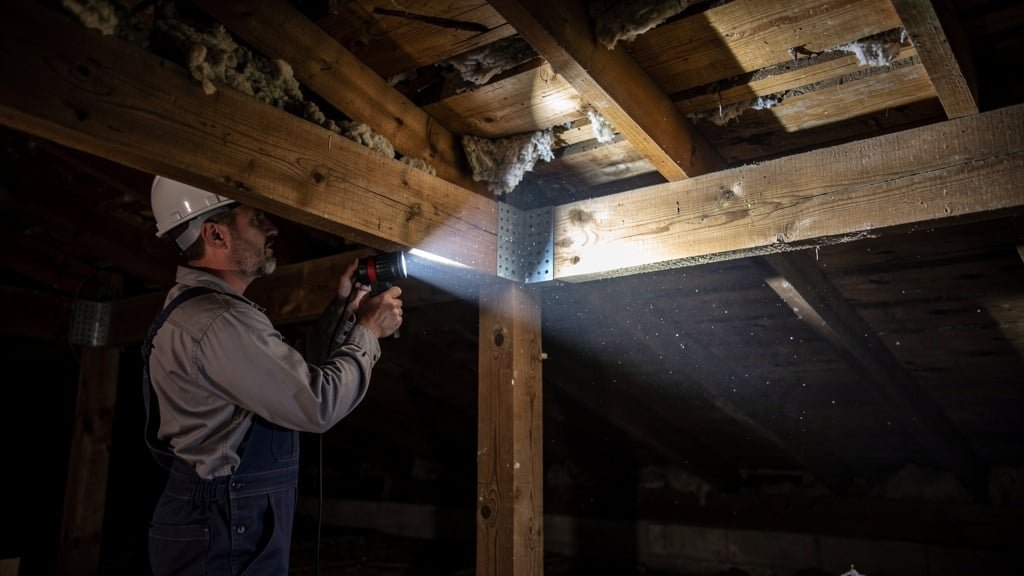
As Glasgow surveyors conducting building surveys and home reports across Scotland every day, we see certain property defects repeatedly. Understanding these common issues helps property buyers know what to look for, what questions to ask, and what repairs to budget for.
This guide shares insights from our chartered building surveyors about the ten most frequent defects we encounter during property inspections. Whether you're buying your first home or your fifth, knowing about these issues helps you make informed decisions.
1. Damp and Moisture Problems
Frequency: Found in approximately 60% of properties surveyed
Damp tops our list because it's so prevalent in Scottish properties. Our wet climate, older building stock, and solid wall construction create conditions where damp thrives.
What we find:
- Rising damp from failed or missing damp-proof courses
- Penetrating damp through damaged walls, roofs, or windows
- Condensation from poor ventilation and inadequate heating
- Leaking gutters and downpipes causing external wall saturation
Typical repair costs: £500-£5,000+ depending on cause and extent
What buyers should know: Not all damp is serious or expensive to fix. Condensation often responds to better ventilation and heating. Penetrating damp usually needs identifying and repairing the source. Rising damp (less common than people think) may require chemical damp-proof course installation.
Our RICS registered valuers use moisture meters during surveys to measure damp scientifically, not just rely on visible signs. We investigate causes, not just symptoms.
Read our comprehensive guide to damp problems for detailed information.
2. Roof Defects
Frequency: Issues found in 40% of properties surveyed
Roofs take constant weather exposure, and many Scottish properties have roofs approaching or exceeding their design life. Our building surveyors find various roof problems:
Common issues:
- Missing, slipped, or broken roof slates/tiles
- Damaged or inadequate flashings (especially around chimneys)
- Deteriorated valley gutters allowing water penetration
- Rotten timber in roof structure (less common but serious)
- Inadequate or damaged felt underlining
Typical repair costs: Minor repairs £500-£2,000; major works or replacement £8,000-£25,000+
What buyers should know: Small roof repairs caught early prevent expensive problems. However, if a roof is at the end of its life, replacement becomes necessary. For tenement properties, roof costs are shared among all flat owners.
3. Gutter and Downpipe Issues
Frequency: Found in 35% of properties surveyed
Rainwater goods are critical for protecting buildings from water damage. When they fail, serious problems follow quickly. Our surveyors in Glasgow regularly find:
Typical problems:
- Cast iron gutters rusted through and leaking
- Blocked gutters overflowing onto walls
- Loose or detached brackets allowing gutters to sag
- Downpipes disconnected or broken
- Inadequate gutter capacity for roof area
Typical repair costs: £500-£3,000 depending on access and extent
What buyers should know: Failed gutters cause damp in walls, damage to stonework, and internal water penetration. Regular cleaning and maintenance prevents most problems. Cast iron gutters eventually need replacement with modern materials.
4. Electrical System Deficiencies
Frequency: Concerns in 45% of older properties
Electrical installations have limited lifespans (typically 25-30 years). Many properties across Scotland have outdated wiring that needs upgrading for safety and capacity.
What we identify:
- Old wiring systems (rubber-sheathed or fabric-covered cables)
- Lack of RCD protection on consumer units
- Insufficient socket outlets for modern needs
- DIY electrical work not to current standards
- No recent electrical inspection certificate
Typical costs: Full rewire £3,000-£8,000 depending on property size
What buyers should know: Electrical safety is critical. Our property consultants recommend electrical condition reports for properties with aging installations. Budget for upgrading if the system is over 25 years old.
5. Pointing and Stonework Deterioration
Frequency: Found in 50% of older properties (particularly Victorian)
Scottish properties, especially Victorian tenements, use sandstone construction. The mortar pointing between stones deteriorates over time, and the stone itself can decay.
Common defects:
- Loose or missing pointing allowing water penetration
- Stone surface erosion and spalling
- Inappropriate cement pointing (should be lime-based)
- Cracks in stonework indicating movement
- Damaged or missing stone sections
Typical repair costs: Repointing £2,000-£10,000+; stone repairs £5,000-£20,000+
What buyers should know: Repointing is normal maintenance for old properties. Use lime mortar, not hard cement which damages stone. For tenements, costs are shared but still significant.
6. Window Problems
Frequency: Issues in 40% of properties with original windows
Windows, especially traditional sash and case designs, need regular maintenance. Our chartered building surveyors frequently find:
Typical issues:
- Rotten sash window frames and sills
- Broken sash cords preventing window opening
- Failed putty allowing draughts and water penetration
- Painted-shut windows that don't open
- Single glazing with poor thermal performance
Typical costs: Repairs £200-£800 per window; replacement £600-£1,500+ per window
What buyers should know: Repairing original windows is often better value than replacement and maintains property character. However, badly deteriorated windows may need replacing.
7. Heating System Inadequacies
Frequency: Concerns in 30% of properties surveyed
Adequate heating is essential in Scotland's climate. Many properties have aging or undersized heating systems that struggle to maintain comfort.
What we find:
- Old boilers at end of design life (15-20 years)
- Insufficient radiators for property size
- Inefficient storage heaters in flats
- No heating in some rooms
- Outdated controls reducing efficiency
Typical costs: New gas combi boiler £2,500-£4,000; full system upgrade £5,000-£10,000+
What buyers should know: Heating upgrades improve comfort and reduce running costs. Budget for boiler replacement if the existing system is over 15 years old.
8. Timber Decay
Frequency: Found in 20% of properties (higher in poorly ventilated buildings)
Timber elements in properties can decay from wet rot, dry rot, or woodworm. Our building surveyors check carefully for timber problems:
Common findings:
- Wet rot in window frames and door frames
- Dry rot in floor joists and roof timbers (less common but serious)
- Woodworm in older timber
- Rotten floorboards in areas with damp problems
- Decayed timber lintels above openings
Typical costs: Wet rot repairs £500-£2,000; dry rot treatment £1,500-£10,000+
What buyers should know: Timber decay needs prompt treatment. Wet rot stops when you fix water sources. Dry rot requires specialist treatment and can spread extensively.
9. Drainage Problems
Frequency: Issues in 15-20% of properties
Drainage systems work quietly until they fail. Then problems emerge quickly. Our surveyors Scotland-wide identify drainage concerns including:
Typical defects:
- Cracked or broken drain pipes
- Tree root infiltration into drainage
- Blocked drains from debris or defects
- Inadequate drainage falls allowing pooling
- Missing or damaged rodding points
Typical costs: Minor repairs £300-£1,000; drain relining £2,000-£5,000; replacement £5,000-£15,000+
What buyers should know: Drainage problems aren't always visible during surveys. If concerned, commission a CCTV drain survey before purchase.
10. Structural Movement
Frequency: Significant movement in 10-15% of properties
All buildings move slightly as they settle and respond to ground conditions. Most movement is historic and stable. However, our RICS qualified surveyors sometimes find concerning movement:
What we look for:
- Cracks in walls, especially diagonal cracks near corners
- Doors and windows that stick or don't close properly
- Sloping floors indicating foundation settlement
- External bulging or leaning walls
- Cracks around extensions or alterations
Typical costs: Monitoring £200-£500; minor stabilization £2,000-£5,000; major works £10,000-£50,000+
What buyers should know: Not all cracks indicate serious problems. Our chartered building surveyors assess whether movement is historic and stable, or active and concerning. Significant movement may require structural engineer assessment.
How Surveys Identify These Defects
During building surveys and home reports, our Glasgow surveyors examine properties systematically:
- External Inspection: Roof, walls, windows, drainage, grounds
- Internal Inspection: Every room, looking at walls, ceilings, floors, services
- Roof Spaces: Where safely accessible, checking roof structure and insulation
- Under-Floor Areas: Where accessible, examining foundations and floor construction
- Specialist Equipment: Damp meters, binoculars, ladders where appropriate
We note everything we find and assess its significance. Our reports explain what defects mean, what action is needed, and approximate repair costs.
What Buyers Should Do With Survey Findings
When your survey identifies defects, consider:
Severity: Is it minor wear-and-tear, or a serious structural problem?
Urgency: Does it need immediate attention or can it wait?
Cost: What will repairs cost? Get quotes for significant works.
Negotiation: Can you use findings to negotiate price or request repairs?
Future Planning: Budget for necessary works after purchase.
Our property consultants are always available to discuss survey findings and help you understand their implications.
Prevention Better Than Cure
Many common defects result from neglected maintenance. Property owners should:
- Clear gutters annually
- Address small problems before they become big ones
- Maintain adequate heating and ventilation
- Keep up with external painting and pointing
- Address damp sources promptly
- Have services inspected regularly
Regular maintenance costs far less than major repairs after problems develop.
Final Thoughts from Your Surveyors
Finding defects during surveys isn't bad news - it's information that protects you. Every property has some issues; the question is whether they're manageable within your budget and expectations.
Our role as RICS registered valuers and chartered building surveyors is identifying problems, explaining their significance, and helping you make informed decisions. We've seen buyers successfully purchase properties with significant defects because they understood what they were taking on and budgeted appropriately.
The worst outcome is buying property unaware of problems. That's why professional surveys from experienced surveyors matter. Knowledge empowers good decisions.
Get Professional Property Assessment
Our team of chartered building surveyors provides thorough inspections that identify defects and explain their implications. We help you buy property confidently with full knowledge of its condition.