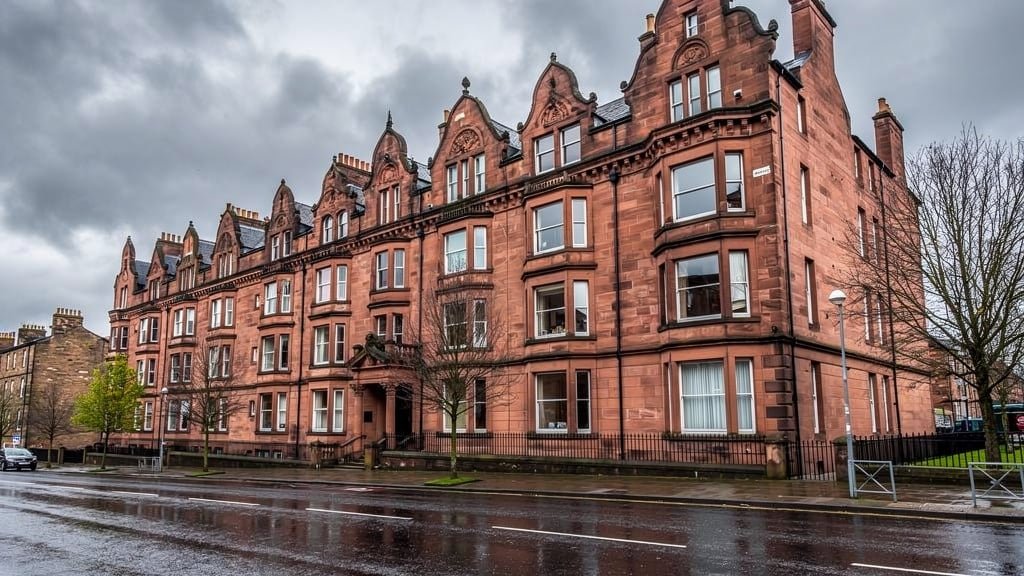
Glasgow Surveyors get asked about damp more than any other property issue. And it's no wonder - damp problems affect thousands of Scottish properties, from Victorian tenements to modern apartments. If you're buying property in Glasgow or across Scotland, understanding damp is crucial. It can affect your health, damage your property, and cost thousands to fix.
As chartered building surveyors who inspect properties across Scotland every day, we've seen every type of damp imaginable. This guide shares our professional knowledge to help property buyers and owners identify, understand, and deal with damp issues.
What Makes Scottish Properties Prone to Damp?
Scotland's climate creates perfect conditions for damp. We get plenty of rain (about 170 days per year in Glasgow), combined with temperature changes and humidity. Add older building methods, solid stone walls, and aging infrastructure, and you understand why our surveyors in Glasgow find damp so frequently.
Traditional Scottish properties - those beautiful Victorian tenements and Georgian townhouses - were built before modern damp-proofing existed. They used solid walls without cavities, lime mortar that absorbs moisture, and building techniques designed for different times. That doesn't make them bad properties, but it means understanding damp is essential.
The Three Types of Damp
Our RICS registered valuers classify damp into three main types. Each has different causes, symptoms, and solutions. Getting the diagnosis right matters because the wrong treatment wastes money and doesn't fix the problem.
1. Rising Damp: The Ground-Level Problem
Rising damp happens when groundwater moves up through walls by capillary action. Think of it like water climbing up a paper towel - moisture travels upward through tiny spaces in masonry.
What causes rising damp?
- Missing or failed damp-proof course (DPC)
- Bridged DPC where render or debris touches the ground
- Changes in ground levels raising moisture above the DPC
- Failed chemical DPC injection from previous remedial work
How to spot rising damp:
- Tide marks on walls, usually less than one meter high
- Staining with a horizontal edge at maximum damp height
- Salt deposits (efflorescence) on wall surfaces
- Peeling paint or wallpaper at low levels
- Musty smell in affected rooms
- Damp patches that persist in both wet and dry weather
During building surveys across Glasgow, our chartered surveyor team uses moisture meters to measure dampness levels. We don't just look at the wall surface - we check behind skirting boards, examine floor levels, and investigate external ground conditions.
The reality about rising damp: It's actually less common than many people think. Our property consultants find that what looks like rising damp often turns out to be something else - usually penetrating damp or condensation. That's why professional diagnosis from RICS qualified surveyors matters.
2. Penetrating Damp: Water Finding Its Way In
Penetrating damp occurs when water enters through walls, roofs, or windows due to defects or damage. Unlike rising damp, it can appear anywhere on walls, and it often gets worse during heavy rain.
Common causes in Scottish properties:
- Damaged or missing roof tiles letting rain in
- Blocked or leaking gutters overflowing onto walls
- Cracked render or damaged pointing allowing water penetration
- Faulty flashings around chimneys or dormers
- Poorly maintained window seals
- Missing or damaged roof slates (common in period properties)
- Defective rainwater goods (gutters and downpipes)
Signs of penetrating damp:
- Damp patches that worsen during rain and improve in dry weather
- Staining on walls, often near windows or under roof level
- Water marks on ceilings
- Mold growth in affected areas
- Plaster damage and bubbling paint
- Damp appearing on internal walls opposite external defects
Our building surveyors inspect properties methodically. We check roofs from ground level and, where safely accessible, examine gutters, chimneys, and roof coverings closely. For residential property in Glasgow's West End, we often find pointing problems in sandstone tenements - the mortar degrades over time, creating paths for water to enter.
The good news: Penetrating damp is usually fixable once you identify and repair the source. Fix the roof, clear the gutter, repair the pointing - solve the cause and the damp stops. That's much simpler than dealing with structural damp issues.
3. Condensation: The Hidden Culprit
Condensation is the most common "damp" problem we encounter during home reports across Scotland, yet many property owners don't recognize it. It happens when warm, moist air hits cold surfaces, creating water droplets.
What causes condensation?
- Poor ventilation trapping moisture inside
- Activities like cooking, showering, and drying clothes indoors
- Modern double glazing and draught-proofing reducing air circulation
- Inadequate heating leaving surfaces cold
- Blocked or sealed ventilation grilles
How to identify condensation:
- Mold growth on cold surfaces like windows and external walls
- Black mold in room corners and behind furniture
- Streaming windows in the morning
- Musty smell in poorly ventilated rooms
- Damp mainly in bathrooms, kitchens, and bedrooms
- Problems worse in winter when heating is on but ventilation is reduced
As property management advisors, we see condensation cause real problems in modern flats where sealed windows and lack of ventilation trap moisture. In Victorian properties with original features, condensation often appears after energy-efficient improvements reduce air circulation.
The solution: Better ventilation and heating. Install extractor fans, open windows regularly, heat the property adequately, and avoid drying clothes indoors without ventilation. These simple steps solve most condensation issues without expensive work.
Why Professional Diagnosis Matters
Here's a story from our Glasgow surveyors that illustrates why expert assessment is crucial. A client contacted us about "severe rising damp" in their Victorian flat. Previous damp specialists had quoted £8,000 for chemical injection and replastering.
Our chartered building surveyor conducted a thorough inspection. We found the real problem: a leaking downpipe behind rendering, combined with poor ventilation causing condensation. Total repair cost? About £600 for downpipe replacement and some ventilation improvements. No chemical injection needed.
That's why RICS registered surveyors exist. We're trained to investigate properly, identify actual causes, and recommend proportionate solutions. We're not selling damp treatments - we're diagnosing problems objectively.
What to Look For When Viewing Property
If you're a property buyer viewing homes across Scotland, watch for these damp warning signs:
- Smell: Musty odors often indicate ongoing damp issues
- Staining: Water marks on walls and ceilings suggest problems
- Mold: Black spots on walls, especially in corners
- Peeling decoration: Paint or wallpaper lifting from walls
- Tide marks: Horizontal lines showing damp levels
- Salt deposits: White crystalline marks on walls
- Soft plaster: Areas that feel spongy when touched
- Recent decoration: Fresh paint might hide damp (check carefully)
During property viewings, don't just look - touch walls gently, check behind furniture if possible, and inspect areas that are normally hidden. Look outside too: check gutters, downpipes, roof condition, and ground levels around the property.
The Cost of Damp: What Repairs Actually Cost
Our property consultants get asked about repair costs constantly. Here are realistic figures from our experience across Scotland:
Minor issues:
- Repointing damaged areas: £500-£1,500
- Gutter repairs/replacement: £300-£1,000
- Ventilation improvements: £200-£800
- Minor roof repairs: £400-£1,200
Moderate problems:
- Chemical DPC injection: £1,500-£3,000 per room
- Render repairs: £2,000-£6,000
- Replastering damp areas: £1,000-£3,000 per room
- Significant roof repairs: £2,000-£8,000
Major works:
- Full damp treatment and replastering: £5,000-£15,000
- Comprehensive roof replacement: £8,000-£20,000+
- External wall treatment and rendering: £10,000-£30,000
These costs vary hugely based on property size, accessibility, and specific requirements. Always get multiple quotes from reputable contractors, and consider having repair quotes verified by independent building surveyors.
Damp in Home Reports and Building Surveys
When our surveyors conduct home reports or building surveys across Glasgow and Scotland, damp assessment is central to our work. We use moisture meters, visual inspection, and our professional judgment to identify and assess damp.
In home reports (required for property transactions in Scotland), we rate damp issues using the traffic-light system:
- Green: No issues or minor defects not affecting value
- Amber: Defects requiring attention but not urgent
- Red: Serious problems requiring immediate action
For detailed building surveys (recommended for older or more complex residential properties), we provide comprehensive analysis of any damp found, explaining likely causes, potential consequences, and recommended actions.
If you're a purchaser and the survey identifies damp, don't panic. Many damp issues are manageable and fixable. Use the information to negotiate on price if necessary, budget for repairs, or - in severe cases - reconsider the purchase.
Prevention: Stopping Damp Before It Starts
For property owners across Scotland, preventing damp is much cheaper than fixing it. Our property management advisors recommend:
Regular maintenance:
- Clear gutters and downpipes twice yearly
- Inspect roofs annually for damaged slates or tiles
- Check and repair pointing when it deteriorates
- Maintain external render and paintwork
- Ensure ground levels slope away from walls
Good property habits:
- Ventilate rooms daily, especially bathrooms and kitchens
- Use extractor fans when cooking or showering
- Don't dry clothes indoors without ventilation
- Heat the property adequately in winter
- Don't seal all ventilation grilles (properties need some air circulation)
Be alert to problems:
- Act quickly if you notice damp patches appearing
- Investigate any musty smells
- Don't ignore small issues that could become big problems
- Have suspicious damp professionally assessed
When to Call Professional Surveyors
Contact our Glasgow surveyors or other RICS qualified professionals if:
- You're buying property and need professional assessment
- You've noticed damp but don't know the cause
- Previous damp treatment hasn't solved the problem
- You're getting conflicting advice about damp issues
- You need an independent view before commissioning expensive repairs
- A survey has identified damp and you want more detailed investigation
Our team of chartered building surveyors provides objective, professional assessment. We're not trying to sell you damp treatments - we're diagnosing problems and recommending appropriate solutions.
Final Thoughts from Your Glasgow Surveyors
Damp doesn't have to be a deal-breaker when buying property in Scotland. Most damp issues are fixable, and many Scottish properties with some damp history make excellent homes once the problems are properly addressed.
The key is understanding what you're dealing with. Professional diagnosis from RICS registered valuers and building surveyors ensures you know the actual cause, the realistic repair requirements, and the true costs involved.
Whether you need a home report for property transaction, a detailed building survey for peace of mind, or specific damp investigation, our surveying firm provides expert assessment backed by professional qualifications and years of experience across Scotland's property market.
Don't let damp worries stop you finding your perfect property. Get professional advice, understand the issues, and make informed decisions. That's what we're here for.
Need Professional Damp Assessment?
Our chartered building surveyors provide expert damp investigation and assessment across Glasgow and Scotland. Contact us for objective, professional advice on any property concerns.
Need a professional damp survey? Our comprehensive building surveys include detailed damp investigation and expert analysis. Get Your Survey Quote